

Explore, Play and Discover
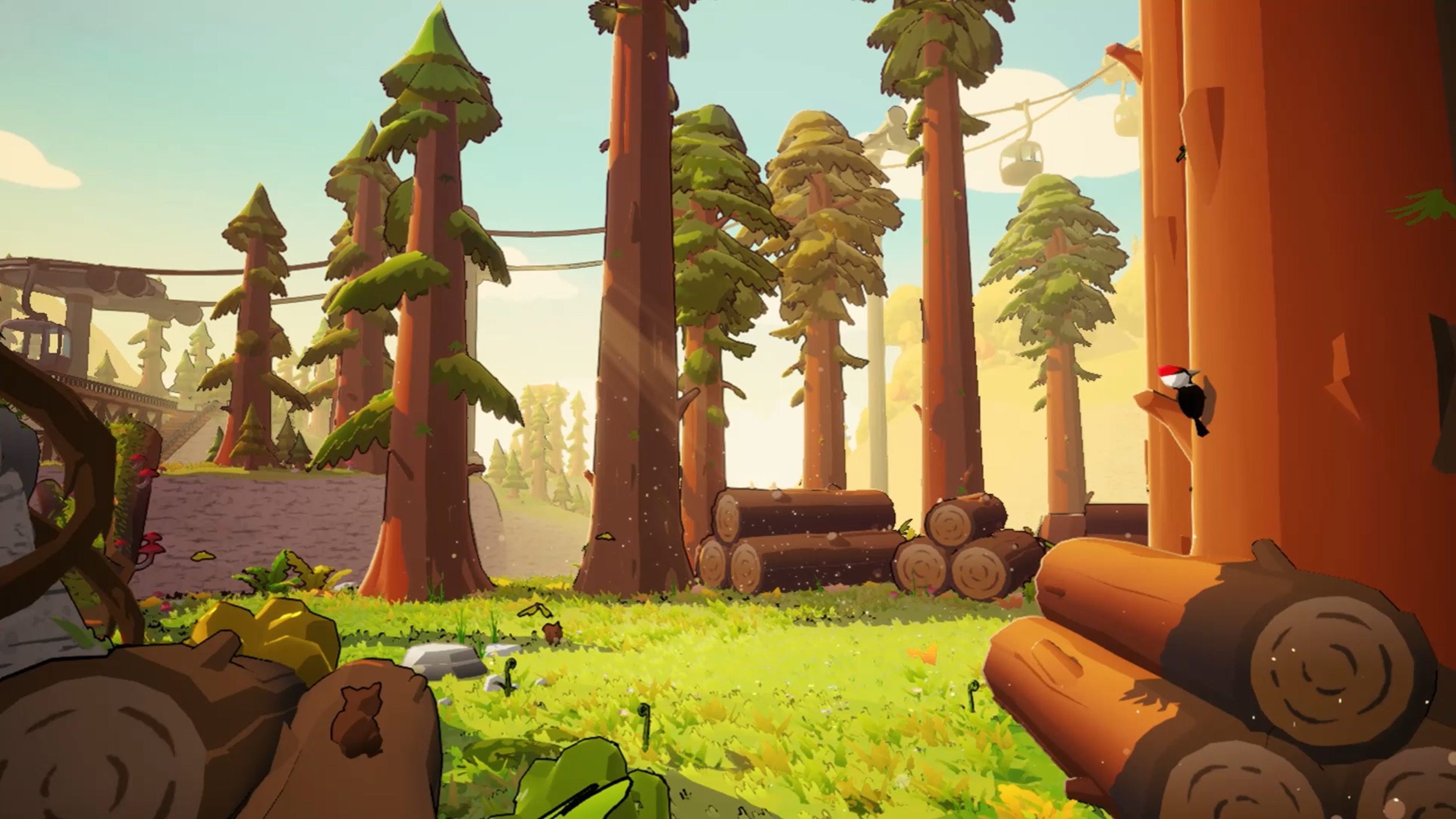
Welcome to Camp Lakeview, a cozy, movement-focused adventure set in a lively summer camp filled with places to explore and friendly people to meet. Climb rocky ledges, slide down hills, dig for hidden treasure and let the wind drag you across the camp. Whether you’re fishing by the lake, catching critters in the grass or wandering off the trail, something delightful is always waiting around the corner.
Game Features
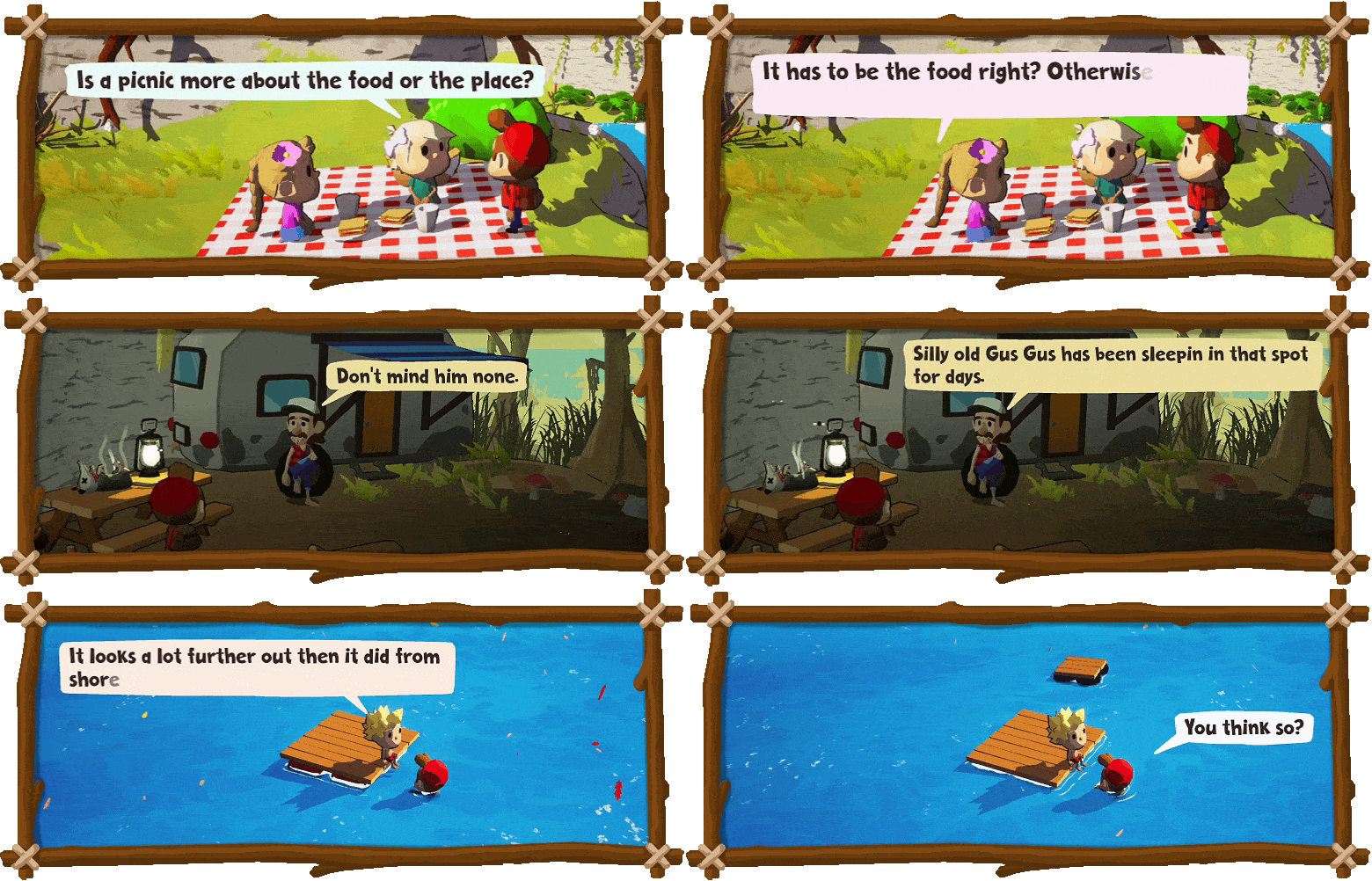
The camp is home to kids, counselors, and travelers of all kinds, each with their own stories and quests. Earning badges might mean lending a hand with a small adventure, geocache hunts, and uncovering long-forgotten secrets.
Activities & Mini Games
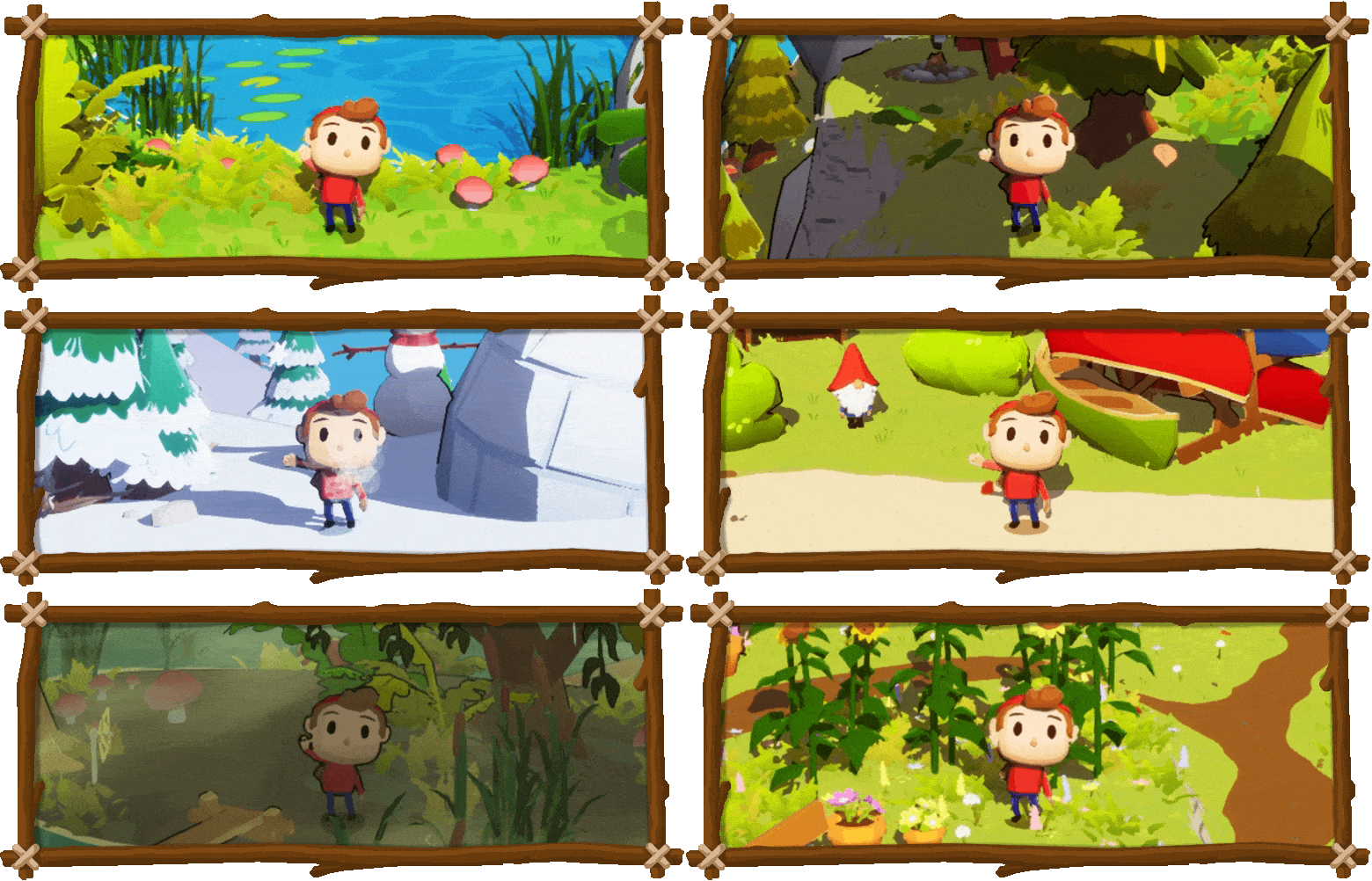
Venture through a variety of biomes from snowy peaks and misty swamps to quiet forests and sunny meadows. Each environment has their own atmosphere, activities, and surprises. All of which makes Camp Lakeview a place where you’ll want to stay just a little longer.
Open Exploration
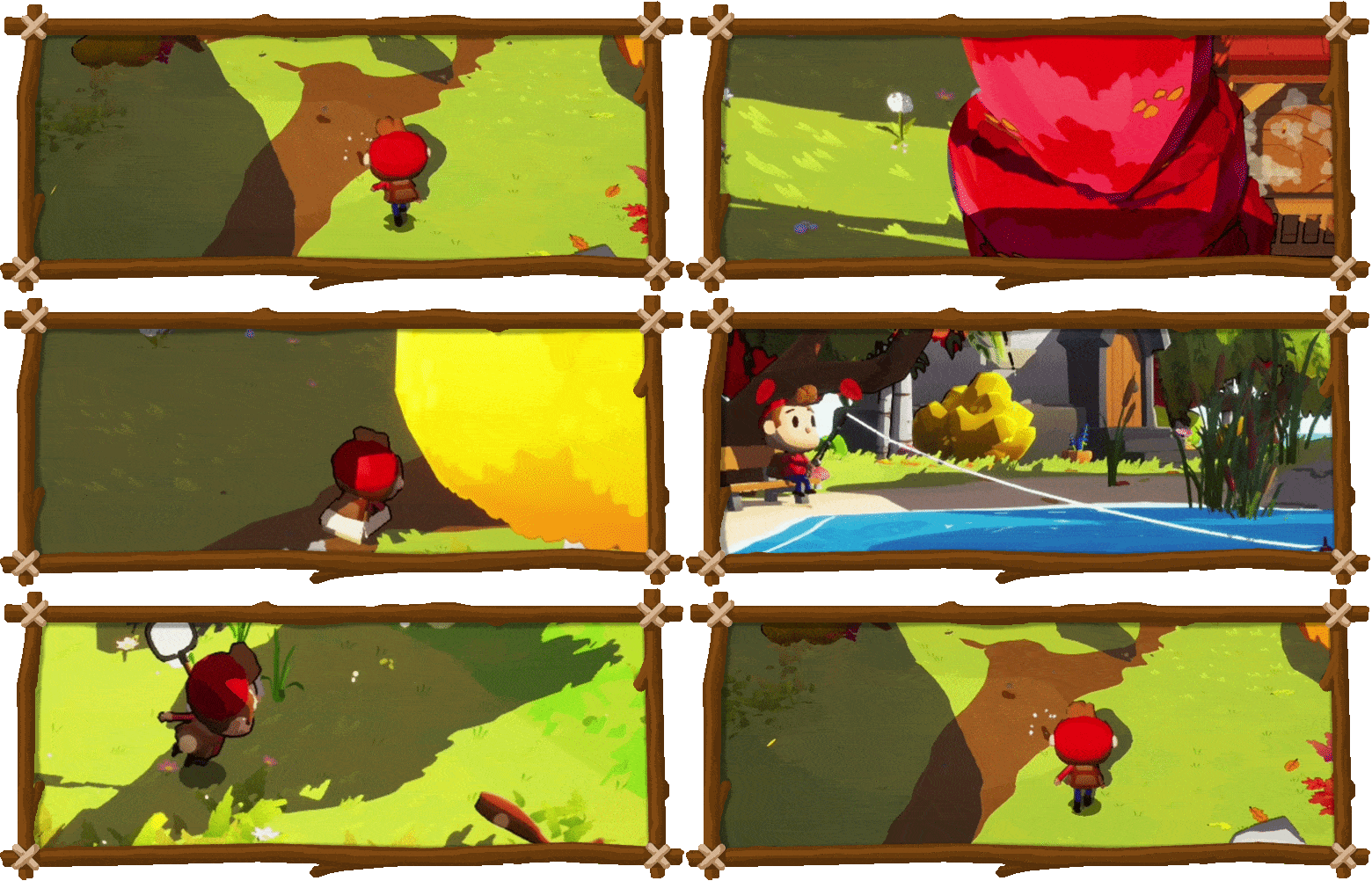
As you navigate the world, you’ll collect an assortment of essential camping gear, opening up new ways to explore and play without combat or pressure. Self-paced adventures offer lighthearted goals and playful exploration.
Camp Tools
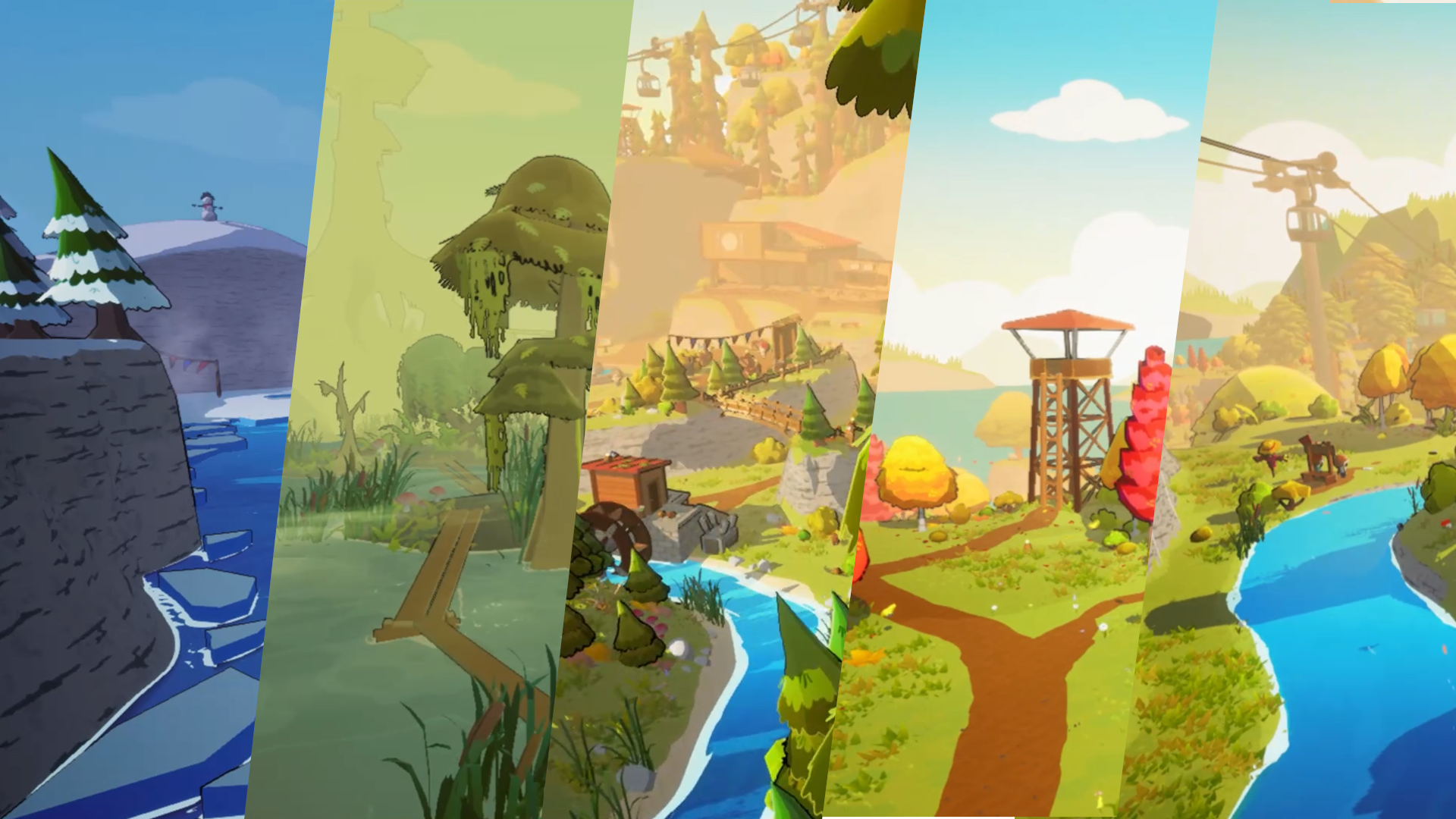
Open WorlD
Dev log
Working Smarter, Not Harder: Why Cutting Corners is Part of Game Dev
When you're building a game—especially as a solo indie developer—trying to do everything "the right way" or 100% procedurally can quickly lead to burnout. Perfectionism is a major trap.
Sometimes the smartest move you can make is to cut a few corners. Whether it's faking a complex system, hardcoding a specific interaction that only needs to happen once or using quick visual tricks to get the job done, optimization isn't just about code performance—it's about development velocity.
At the end of the day, players aren't grading your backend architecture. They're experiencing your game. If a shortcut saves you weeks of development time without sacrificing the player experience, take it.
Embracing the Indie Grind: Why Building Your Dream Game is Worth It
Developing your own game is a massive undertaking filled with endless loops of troubleshooting, design tweaks and late nights. When you're wearing every hat— from programmer to technical animator to marketer— it's easy to wonder why you started. Watching your world come to life makes every hurdle worth it.
Building an indie game isn't just about finishing a product. It's about the creative freedom to craft an experience entirely your own and sharing that journey with players who appreciate the craft.
Keep pushing forward. Stay stubborn with your vision. Enjoy the process of bringing your game to reality.
Finding Your Visual Style: The Charm of Cozy Game Aesthetics
When defining the look and feel of an indie game, finding the right visual style is everything. Whether you're drawing inspiration from whimsical low-poly aesthetics, cozy adventures or charming stylized environments, visual identity helps set the emotional tone for your players before they even pick up a controller.
Leaning into a cohesive, stylized aesthetic doesn't just make your game stand out in a crowded market. It also streamlines your asset creation pipeline. Embracing a distinct art style allows you to focus on atmosphere, gameplay feel and telling a memorable story without getting bogged down trying to chase hyper-realism.
Build a world that feels inviting. Stay true to your creative vision. Let your game's unique style shine.